Gluten-Free Living for Beginners: Cooking at Home, Eating Out Safely, and Reading Labels with Confidence
Stock Image: Unsplash
Medically Reviewed by Nevada Gray, PharmD, RN, BSN, MSCP
Gluten-free living can feel overwhelming at first, especially if you are newly diagnosed with celiac disease or exploring gluten intolerance. Grocery shopping suddenly takes longer, restaurant menus feel risky, and ingredient labels seem confusing. The good news is that gluten-free living becomes easier once you understand a few core principles and create repeatable habits and systems in and out of your home.
Gluten-free living means avoiding all foods and ingredients that contain wheat, barley, and rye, and actively preventing cross-contact. For people with celiac disease, a strict gluten-free diet is the only treatment and is essential for protecting the small intestine and long-term health.
This blog is designed to help beginners feel grounded, informed, and supported using a minimalist, realistic approach that fits everyday life. Being diagnosed with an autoimmune condition like celiac disease can bring a real sense of loss. It is normal to grieve the ease, spontaneity, experiences, and foods you once enjoyed, even while feeling relieved to finally have answers. This blog was written to empower you to begin building systems that work in your life and daily routine, so you can move beyond survival and create a gluten-free lifestyle where you feel nourished, aligned, confident, and able to truly thrive.
Understanding celiac disease and gluten intolerance
Celiac disease is an autoimmune condition in which the immune system reacts to gluten and damages the lining of the small intestine. Even small amounts of gluten can cause harm. The only medically accepted treatment is a lifelong gluten-free diet.
Gluten intolerance, sometimes called non-celiac gluten sensitivity, may not cause intestinal damage, however can still lead to uncomfortable symptoms. Dietary needs vary, but many of the same gluten-free strategies apply.
Celiac disease is often thought of as a digestive condition because it can cause symptoms like diarrhea and stomach pain, but it can also affect the body in other ways, including low iron levels, ongoing fatigue, skin rashes, brain fog, headaches, or nerve-related symptoms that may not seem connected to the gut at first.
If you suspect celiac disease, do not eliminate gluten before testing. Diagnostic tests are most accurate when gluten is still being consumed. Always work with a qualified healthcare provider who can accurately diagnose you and provide necessary treatment.
This blog is educational and does not replace medical advice. Always consult a qualified healthcare provider regarding your individual health.
Stock Image: Unsplash
Cooking at home: the foundation of gluten-free living
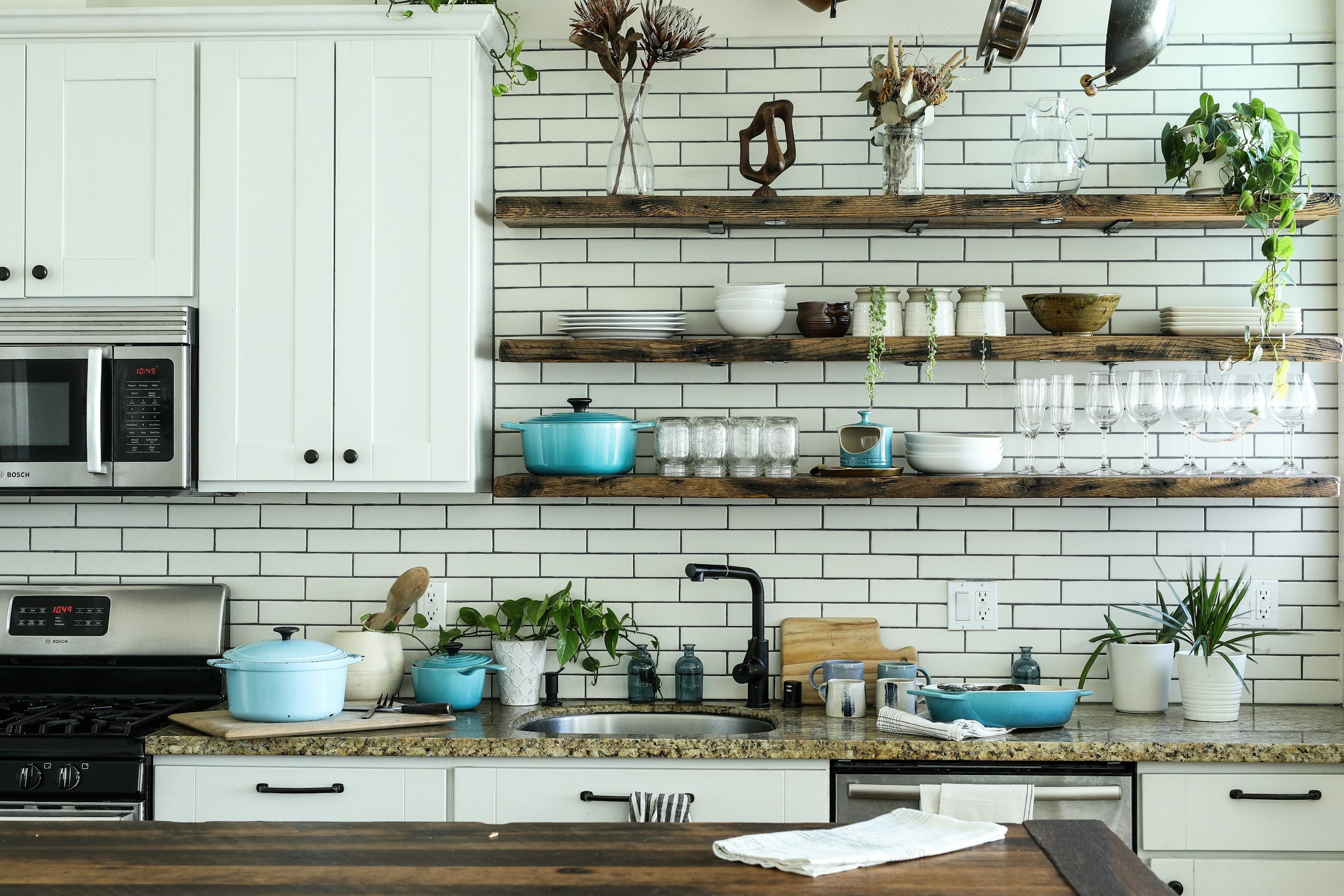
Cooking at home is often the safest and most reliable way to follow a celiac-safe diet, especially for beginners learning how to eat gluten-free safely.
Set up a gluten-free kitchen
A simple kitchen setup reduces stress and accidental gluten exposure.
Start with these essentials
Choose ten naturally gluten-free foods you enjoy and eat regularly
Designate one cutting board, one pan, one colander, and one toaster for gluten-free use
Use squeeze bottles for condiments to avoid shared utensils
Label one pantry shelf or bin as gluten-free only
Naturally gluten-free foods to build meals around
These foods are naturally free of gluten and form the backbone of gluten-free cooking at home:
Proteins: eggs, chicken, beef, turkey, fish, tofu with verified sauces
Carbohydrates: rice, potatoes, quinoa, certified gluten-free corn tortillas
Vegetables and fruit: all fresh or frozen plain varieties
Fats: olive oil, avocado oil, coconut oil, butter
Pantry staples: canned beans or lentils, plain tomatoes, salsa, and broth labeled gluten-free
Leaning on naturally gluten-free foods is one of the easiest ways to reduce risk, stress, and decision fatigue.
Stock Image: Unsplash
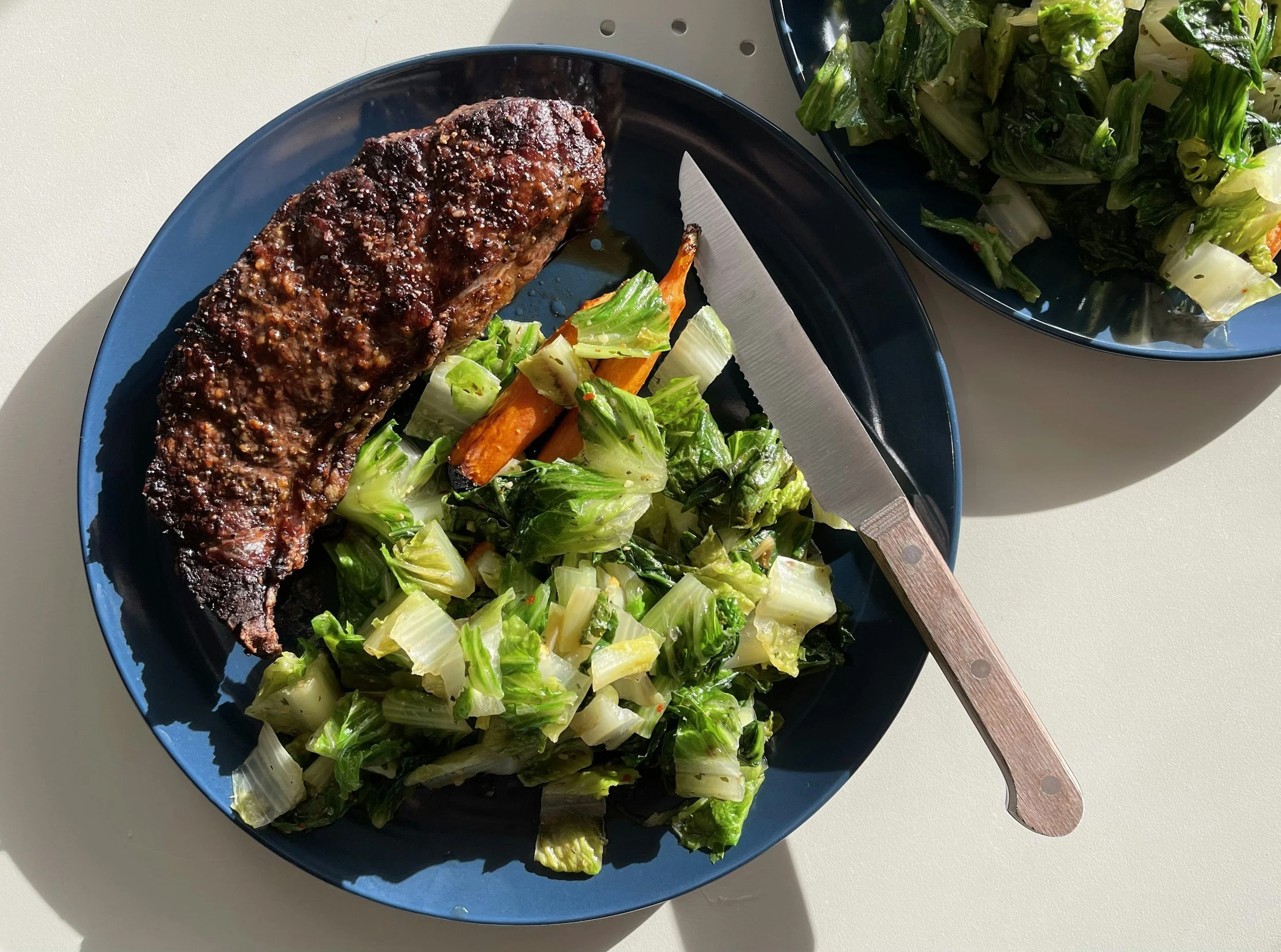
The minimalist meal formula
Use this simple structure to make meals easy:
Protein + vegetable + starch + sauce
Examples:
Baked salmon, roasted broccoli, rice, and lemon olive oil
Ground turkey taco bowls with peppers, quinoa, salsa, and avocado
Sheet-pan chicken thighs with potatoes, green beans, and herbs
Choose sauces and seasoning blends labeled gluten-free, especially early on. Many gluten exposures come from condiments, sauces, and spices rather than obvious grains. We encourage you to explore our blog and the many easy to prepare and delicious gluten-free recipe options available.
Common gluten risks at home
Be mindful of:
Shared toasters, cutting boards, colanders, and wooden utensils
Baking with wheat flour, which can contaminate surfaces and air
Seasoning blends, marinades, and sauces that contain wheat, barley, or malt
Stock Image: Unsplash
Eating out gluten-free with confidence
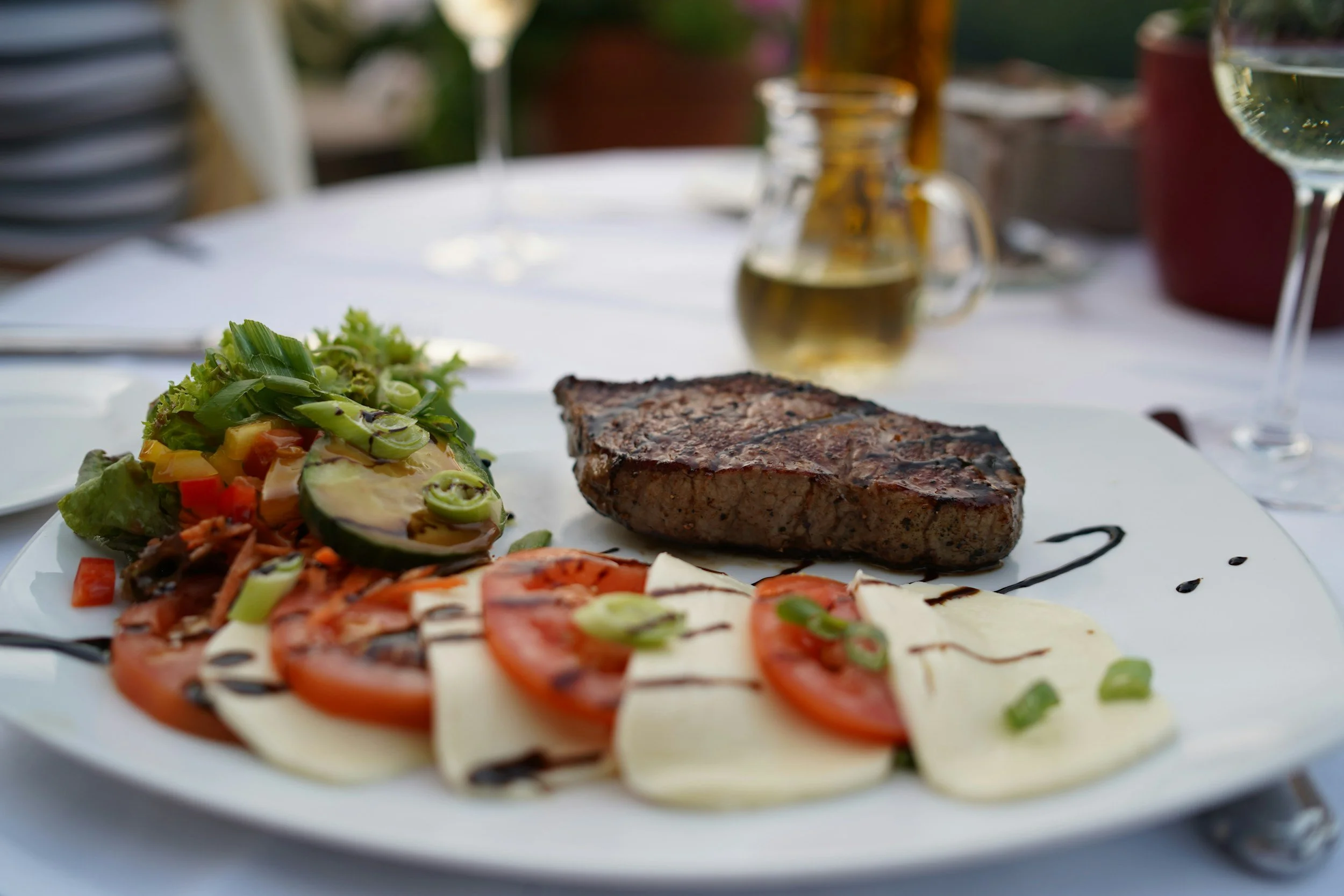
Eating out gluten-free is possible, but it requires clear communication and informed choices, especially for people with celiac disease.
Five questions to ask at restaurants
Do you have a gluten-free menu or allergen guide?
Is this cooked on a shared grill or in a shared fryer?
Can gloves and utensils be changed before preparing my meal?
What thickens the sauce or soup, such as flour, roux, soy sauce, or malt vinegar?
Is the gluten-free option prepared separately or only gluten-free by ingredients?
Higher-risk restaurant foods
French fries cooked in shared fryers
Grilled meats with shared grills or marinades
Soups and sauces thickened with flour
Salad dressings containing malt vinegar or soy sauce
Breaded, battered, or crispy items
Safer ordering strategies
Plain proteins with steamed vegetables and rice or potatoes
Salads with oil and lemon, confirming no croutons or shared utensils
Bun-less burgers after confirming grill practices
Mexican dishes made with verified gluten-free corn tortillas
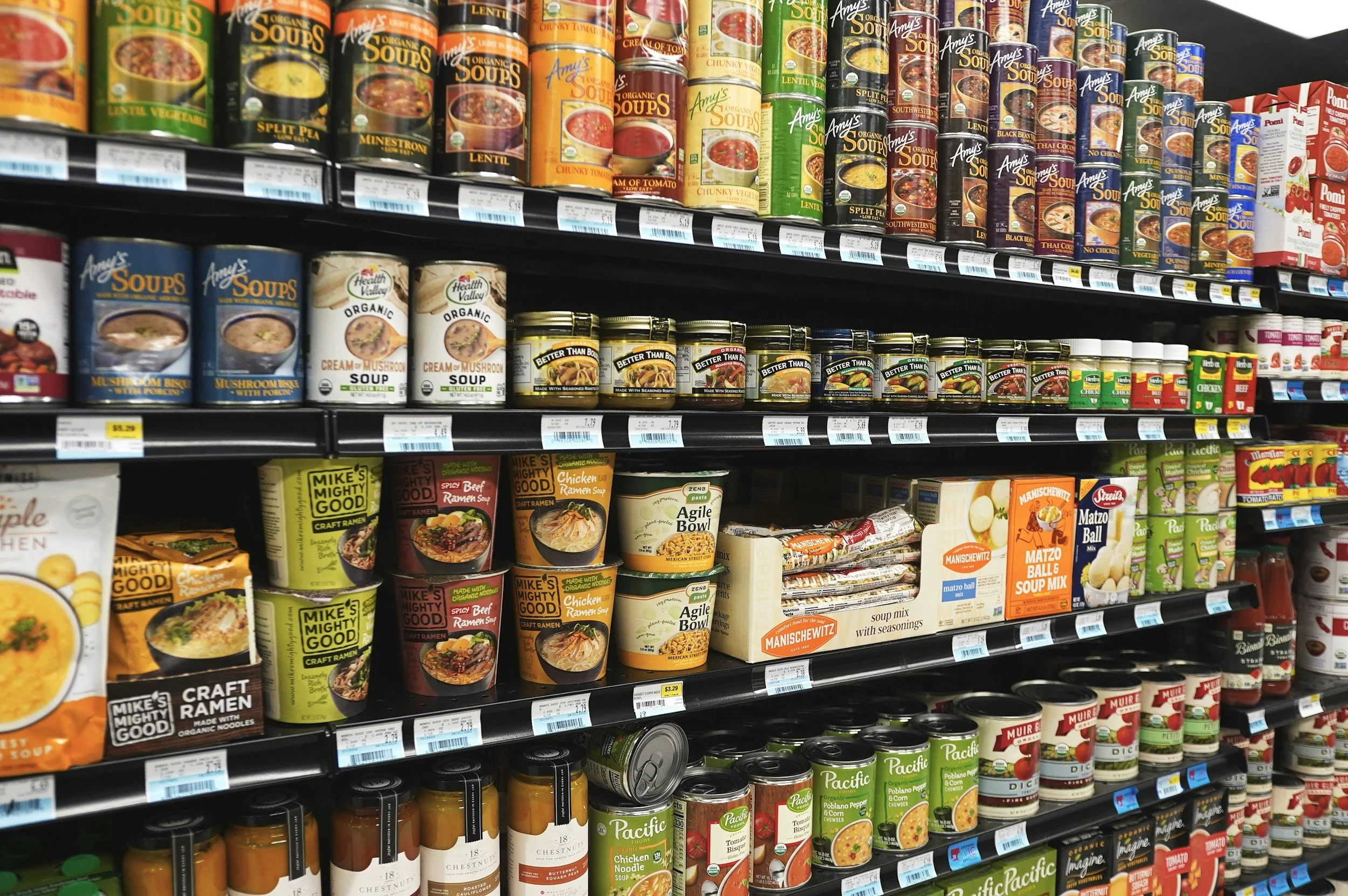
Stock Image: Unsplash
Reading gluten-free labels-Creating a System
Label reading is a critical skill for beginners and becomes second nature with practice.
What gluten-free means on U.S. labels
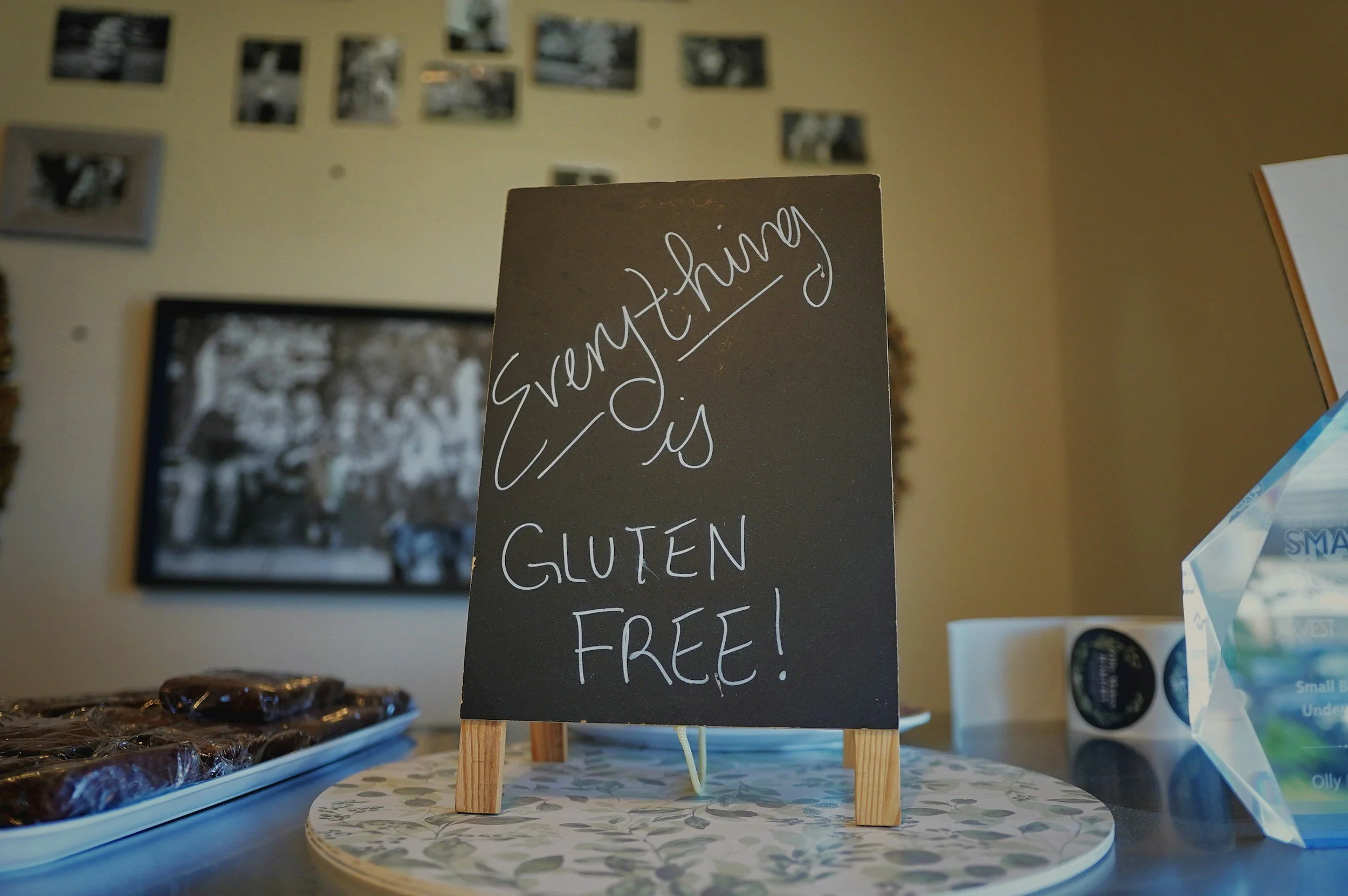
In the United States, foods labeled gluten-free must meet FDA requirements for gluten content. This labeling standard helps reduce exposure, especially when starting out.
A product can still pose a risk if cross-contact occurs during manufacturing, so choosing clearly labeled gluten-free foods can reduce uncertainty.
Wheat-free vs. gluten-free
Wheat must be declared as a major allergen on U.S. labels. Barley and rye are not always highlighted, which means a wheat-free product is not necessarily gluten-free.
A simple label-reading routine
Look for a gluten-free claim
Scan for wheat, barley, rye, or malt
Review shared facility statements to assess personal risk tolerance
Ingredients that contain gluten
Grains that always contain gluten
Wheat
Barley
Rye
Wheat-based ingredient names
Durum
Semolina
Spelt
Farro
Einkorn
Emmer
Kamut (Khorasan wheat)
Wheat berries
Barley-derived ingredients
Malt
Malt extract
Malt flavoring
Malt syrup
Malt vinegar
Barley malt
Ingredients that often contain gluten and require verification
Soy sauce unless labeled gluten-free
Teriyaki sauce
Salad dressing
Sauces & Marinades
Pastas
Breads & Baked items
Deli Meats
Natural flavors
Modified food starch
Dextrin
Seasoning blends and Mixes
Bouillon, broth, soup base
Gravy mixes and thickened sauces
Beer, ale, and lager unless labeled gluten-free
Oats
Oats are naturally gluten-free but frequently cross-contaminated. Some people with celiac disease tolerate certified gluten-free oats, while others do not. Individual response and medical guidance matter.
Gluten-Free Living FAQ for Beginners
Is gluten-free the same as wheat-free?
No. Wheat-free products may still contain barley or rye. Gluten-free removes wheat, barley, and rye and is required for celiac disease.
Is gluten-free safe for people with celiac disease?
Yes. A strict gluten-free diet is the only treatment for celiac disease and is necessary to prevent intestinal damage.
How long does it take to feel better after going gluten-free?
Some people feel better within weeks, but intestinal healing can take months or longer depending on individual factors.
Do I need to worry about cross-contamination at home?
Yes. Shared kitchen tools are one of the most common sources of gluten exposure for people with celiac disease.
Can people with celiac disease eat oats?
Some can tolerate certified gluten-free oats, while others cannot. This varies by person.
What is the easiest way to start gluten-free?
Focus on naturally gluten-free foods and choose packaged foods clearly labeled gluten-free while learning.
Trusted resources for gluten intolerance and celiac disease
National Institute of Diabetes and Digestive and Kidney Diseases (NIDDK)
https://www.niddk.nih.gov/health-information/digestive-diseases/celiac-disease/eating-diet-nutrition
U.S. Food and Drug Administration: Gluten-Free Labeling
https://www.fda.gov/food/nutrition-food-labeling-and-critical-foods/gluten-free-labeling-foods
Celiac Disease Foundation: Gluten-Free Living Hub
Celiac disease: a comprehensive current review
https://pubmed.ncbi.nlm.nih.gov/31331324/
Dr. Alessio Fasano
Episode 168: Alessio Fasano discusses celiac disease and gluten-related disorders
Celiac Canada Conference 2023 - Dr Alessio Fasano
Dr. Alessio Fasano is considered the world’s leading expert and researcher on celiac disease and gluten sensitivity. His peer-reviewed research can be found through the PubMed database search function. Published books include: Gluten Freedom and Gut Feelings
A Minimalist way to begin gluten-free living
You do not need to change everything at once.
Choose three breakfasts, three lunches, and three dinners you can repeat
Replace high-risk foods first such as bread, pasta, soy sauce, and flour-based sauces
Use labeled gluten-free products initially to reduce stress
Gluten-free living is not about restriction. It is about clarity, alignment, nourishment, and learning what truly supports your mind, body, and spirit.

Nevada Gray-Founder Living Well Minimalist
Living Well Minimalist was created by Nevada Gray, a wellness-minded educator with a background in health, nutrition, fitness, reiki, and astrology. Her work brings together gluten-free real food recipes, simple living, and intentional self-development to support nourishment, clarity, and alignment in everyday life.

Living Well Minimalist: Nourished & Aligned